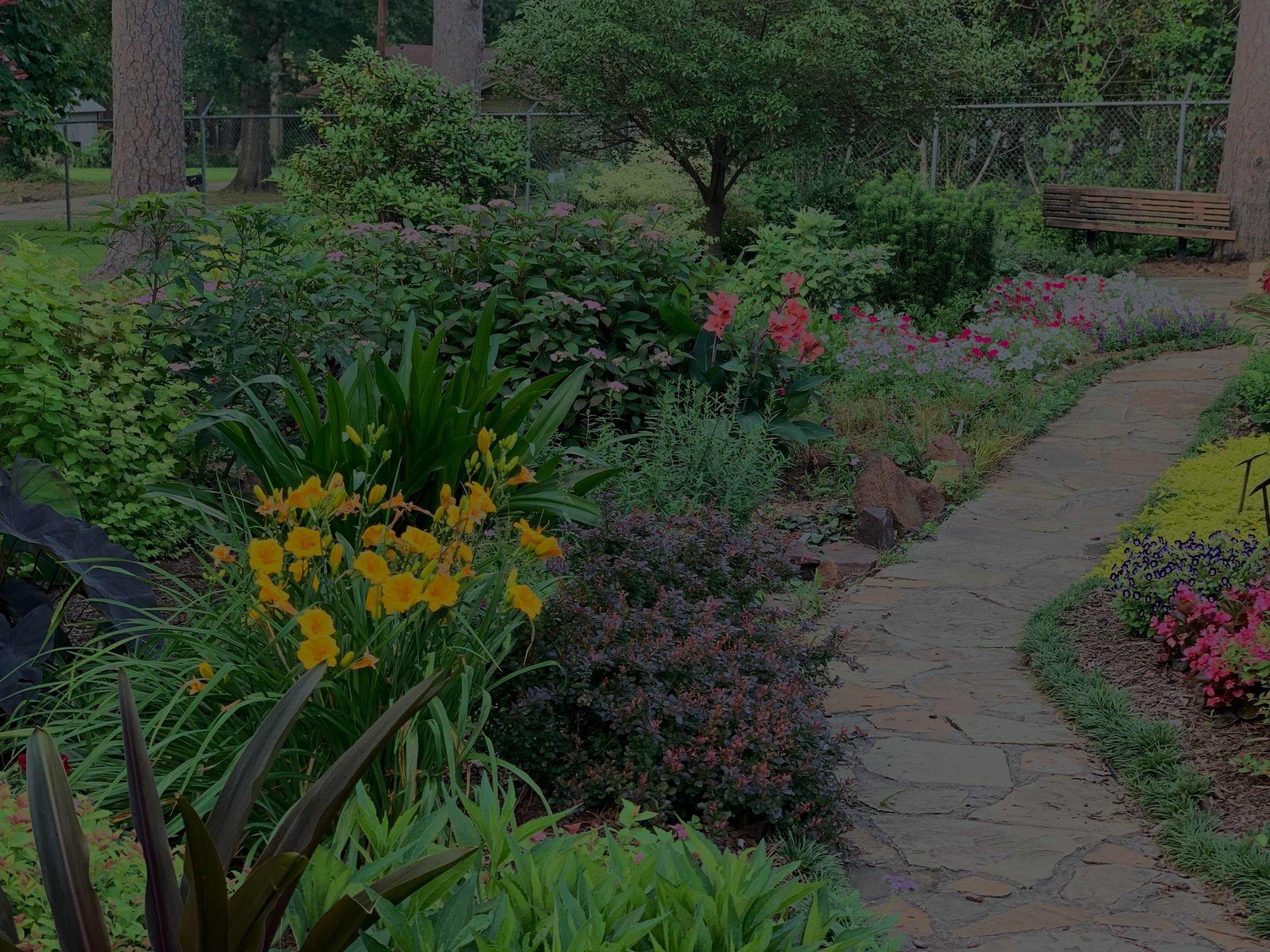
Create a bold impact with eye-catching seasonal planters and garden beds.
Exterior Plants
Exterior plants offer many design opportunities that can contribute to a space’s overall character and perceived value. The layout of entrances, walkways, corporate signage and seating areas play an important role in shaping a cohesive design language.
Our work is rooted in the unique cues that each space provides, which allows us to develop a plan that is sophisticated, imaginative and tailored to each site.
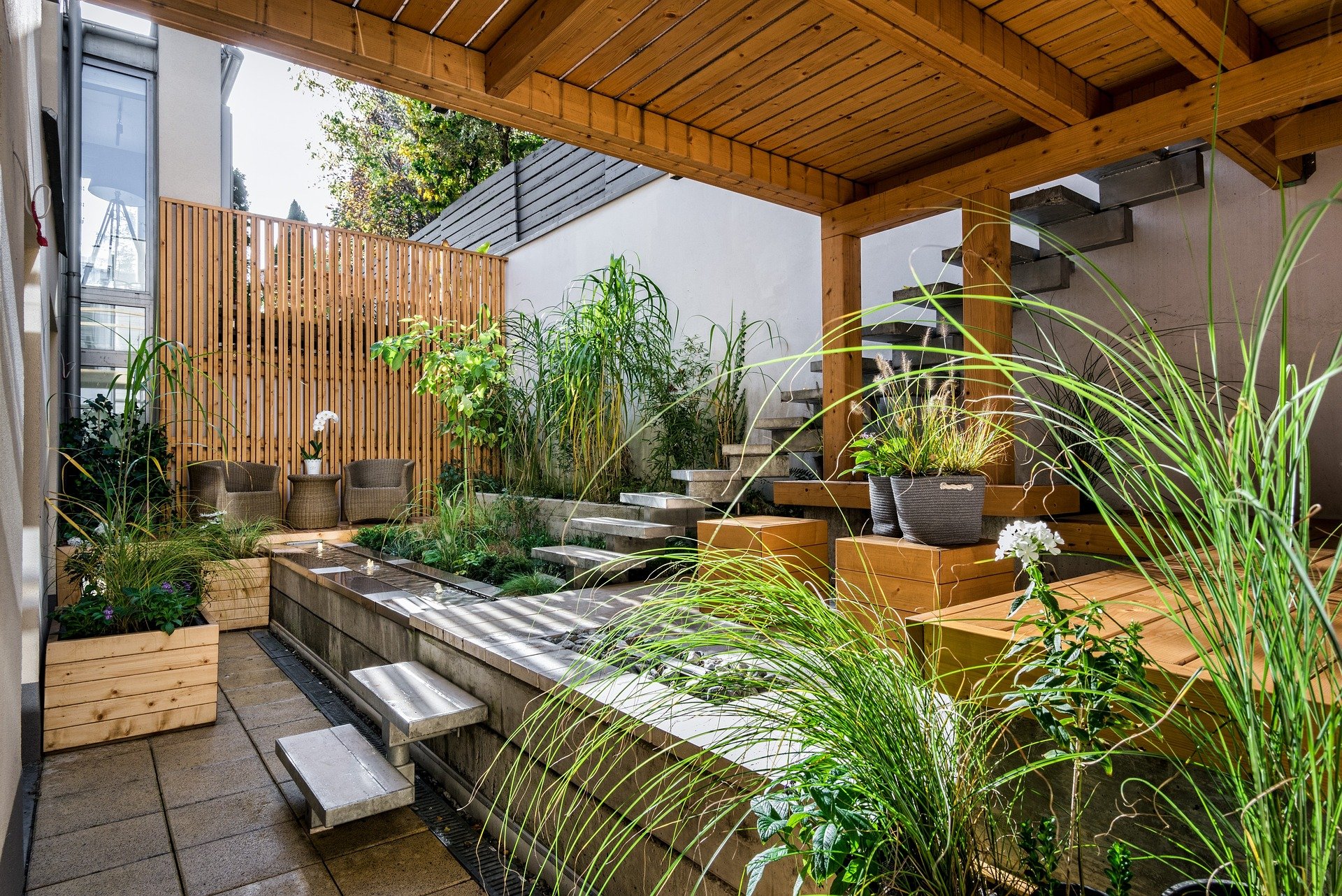
-
Assessment & Consultation - We begin with a discussion of your specific needs, your environment, your vision, your budget, your priorities and your timeline.
Design - We create a design plan that specifies recommended plants, containers and accessories, along with a comprehensive caretaking plan. We refine our proposal with your value-added input.
Installation - We can provide installation during non-operating hours, from start to finish. This minimizes any disruptions to your home or business.
Caretaking - We will lovingly maintain your plants during non-operating hours to ensure they prosper. This service can also include colorful seasonal rotations.
-
Property Appreciation
Exterior landscaping not only increases curb appeal, it can increases a property’s value up to 40%. When potential customers, tenants, and buyers see a well-maintained space with a variety of well displayed plant life and seasonal decoration, they are more likely to spend time there, and create a positive association.
Community Spaces
Outdoor seating invites visitors to relax, enjoy the space and engage with each other. When a park bench is shaded, a walkway is tree lined, or pavilion is anchored by lush garden beds, natural attraction leads people into that space.
Energy Efficiency
Exterior landscaping improves energy efficiency by deflecting winds all year and maximizing shade during the hot summer months. Implementing native and drought tolerant plants can greatly reduces watering needs.
Environmental Benefits
Proper exterior planting decreases evaporation rates, filters rainwater and prevents contaminants from entering our rivers, lakes, and streams. Plants improve the water quality by absorbing runoff pollutants, and reducing overall water runoff by up to 65%. Hearty native plantings can also reduce the need for hazardous chemical insecticides and fertilizers that are normally required to maintain a turf grass lawn.